
Pet Soft Tissue Surgery
Our skilled team at South Shore Veterinary Hospital performs a comprehensive range of soft tissue surgical procedures for dogs and cats in Forest Lake and beyond. From routine pet surgery services to more complex interventions, we’re committed to delivering the highest standard of care for your pet.
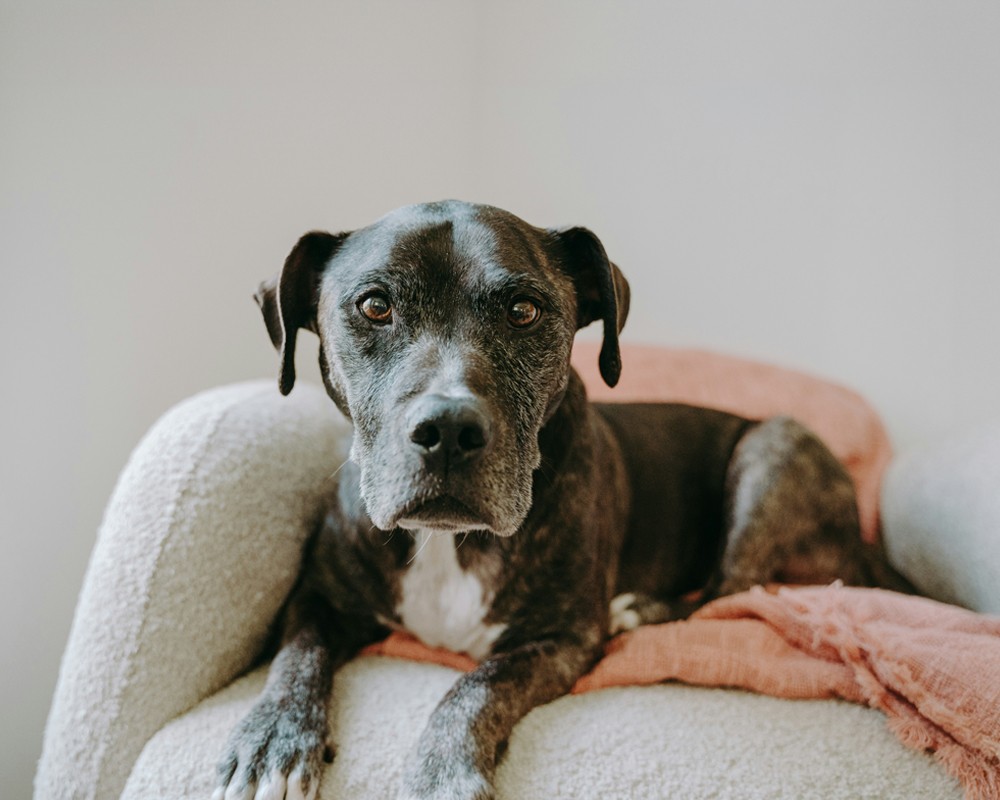
Veterinary Surgery at South Shore Veterinary Hospital
Soft tissue surgery encompasses any surgical procedure that does not primarily involve bones or joints — a broad category that includes everything from spays and neuters to abdominal surgery, mass removal, and minimally invasive laparoscopic procedures. At South Shore Veterinary Hospital, we have invested in the equipment, training, and protocols necessary to perform a wide range of these procedures safely and effectively in-house, sparing most of our patients the stress and inconvenience of referral to an outside surgical facility.
Our surgical suite is equipped with advanced anesthesia monitoring technology, warm air blankets, and warm water circulating pads to maintain your pet’s body temperature throughout every procedure. Continuous monitoring of heart rate, blood pressure, oxygen saturation, and temperature allows our team to respond quickly to changes and support your pet throughout anesthesia and recovery.
Soft Tissue Surgical Procedures We Offer
Spaying and Neutering
Spay and neuter procedures are among the most commonly performed surgeries in veterinary medicine and represent the foundation of our surgical caseload. Our team performs these procedures with the same level of care and attention we bring to our most complex cases — including thorough pre-surgical assessment, individualized anesthetic protocols, and dedicated pain management. Learn more on our dedicated Pet Spaying & Neutering page.
Mass and Tumor Removal
Lumps and masses are common in both dogs and cats, and while many are benign, others require prompt surgical attention. Our veterinarians evaluate all masses carefully — often beginning with fine needle aspirate cytology or biopsy — before recommending surgery. When removal is indicated, our surgical team excises masses with appropriate margins and submits tissue for histopathology to confirm the diagnosis and guide follow-up care.
Gastrointestinal Surgery
Minimally Invasive Laparoscopic Surgery
South Shore Veterinary Hospital is proud to offer laparoscopic surgery — a minimally invasive approach that uses a small camera and specialized instruments inserted through tiny incisions rather than a traditional open surgical approach. Laparoscopic procedures offer meaningful advantages for appropriate candidates, including reduced post-operative pain, smaller incisions, faster recovery times, and lower risk of surgical site complications.
Bladder and Urinary Surgery
Bladder surgery is most commonly performed to remove urinary stones (uroliths) that cannot be managed through dietary dissolution or other non-surgical methods, or to address bladder masses and other structural abnormalities. Urinary surgery requires precise technique and careful post-operative management, including appropriate pain control, monitoring of urinary output, and follow-up to confirm resolution of the underlying condition. Dietary management through nutritional counseling is often an important part of long-term care following bladder surgery.
Wound Repair and Reconstructive Surgery
Traumatic wounds, bite injuries, and skin lesions sometimes require more than basic wound care — particularly when significant tissue has been lost or damaged. Our veterinary surgery team is experienced in wound repair and reconstructive techniques, including the use of skin flaps and grafts when necessary to achieve appropriate closure and support healing. Prompt evaluation of wounds is always recommended; if your pet has sustained a significant injury, same-day assessment through our pet urgent care service may be appropriate.
Why Pet Surgery Services at South Shore Stand Apart
South Shore Veterinary Hospital has a long history of prioritizing advanced surgical skill, beginning with the founding doctors and continuing through the current partnership. Our surgical team includes veterinarians with advanced interests and significant experience in soft tissue surgery, minimally invasive procedures, and complex abdominal cases. With multiple doctors on staff, we benefit from the ability to consult with one another on challenging cases — bringing collective expertise to bear on even the most complex surgical situations. Surgery is never routine when it is your pet on the table, and we never treat it that way.
FAQs About Pet Soft Tissue Surgery
How do I know if my pet needs surgery?
What should I do to prepare my pet for surgery?
How long will my pet need to recover?
Will my pet be in pain after surgery?
What are the risks of veterinary surgery?
Can my pet have multiple procedures performed at the same time?
In many cases, combining procedures — such as a mass removal during a scheduled spay, or a dental cleaning alongside an abdominal procedure — is appropriate and reduces the number of anesthetic events your pet requires over time. Your veterinarian will evaluate whether combining procedures is safe and practical for your individual pet.

Safe, Skilled Surgery for the Pets You Love
Veterinary surgery is one of the most significant aspects of the care we provide at South Shore Veterinary Hospital, and it is an area where our team’s depth of experience and genuine commitment to each individual patient truly shows. Pet owners throughout the north and east metro communities of Minnesota have trusted our surgical team for decades — and that trust is something we work to earn at every procedure, with every patient, every single time.